Home
Preface Note - Today's email is based on an email received from Danilo Vignati who lives in Italy. He wrote "If you want inform your associated people, there is a digital visit to Museo Postale della Città del Vaticano. I wrote this article on 2000 after my visit at the Official Inauguration of the New setting of the postal museum." We used Google to translate his web pages from Italian to English and then inserted his pictures to build this article. The original content in, Italian, can be found at https://www.ilpostalista.it/musvat/musvat01.htm. Enjoy Danilo's article! The Philatelic and Numismatic Museum of the Vatican returns to its former headquarters. In fact, it had started in the thirties of the twentieth century in two rooms of the Vatican Museums, not far from the monumental helical staircase and on the top floor of the entrance and called an "exhibition" that could be visited, without further entrance tickets, by ordinary visitors interested in the artistic works accumulated over the centuries by the popes. Inaugurated on October 22, 1936, the exhibition remained there until the 1980s when on October 1, 1987, the new philatelic museum transferred to the mighty Torre Borgia reopens, occupying four rooms for a total of 250 square meters. Open only on Tuesdays, Thursdays, and Saturdays from 9 am to 12 pm already did not guarantee convenient access both for the time and for the entrance from the Arch of the Bells or the Piazza dei Protomartiri Romani. In 1990 the penultimate move, in the railway station inside the Vatican, in a single hall of 540 square meters with hours from 9 to 13 of all non-public days and with the same entrance to the Borgia Tower with the possibility of access from the Alley of Perugino. Overall, it changed its location for the fourth time. Now it is more usable by the common visitor who can reach it after entering the Vatican museums proper and therefore paying the normal entrance ticket. Given the very limited number of visitors who in past years specifically crossed the Leonine walls to reach it, we fear that visitors, already exhausted by the path of the endless halls and the vision of the priceless treasures of art, the Sistine Chapel and the objects of the Ethnological Museum, will arrive at the Postal Museum only because they are disoriented and not for their own decisive will. The inauguration of the Vatican's new Numismatic Philatelic Museum took place in two moments. On a day from the summer temperatures of September 25, 2007 at 11.00 am the first event was reserved for journalists and the press, at 6.30 pm the official inauguration in the presence of the authorities. The day before for the Vatican Museums there had been a record attendance with over 21 thousand visitors all neatly lined up waiting to enter. Waiting for less than a hundred journalists, the director of the Vatican Museums, Francesco Buranelli, and the conservator of the Philatelic Museum, Pier Paolo Francini, who illustrated to the press the museum's visit path. The guided tour The main access to the museum (recommended route) is from the Pio Cristiano Museum with a path, albeit slightly downhill, but on one level, it is also suitable for disabled visitors (photo no 1). Entrance instead from a staircase for those coming from the Vatican Post Office (photos no 5 and no 6). or from the Ethnological Museum (photo no 13). 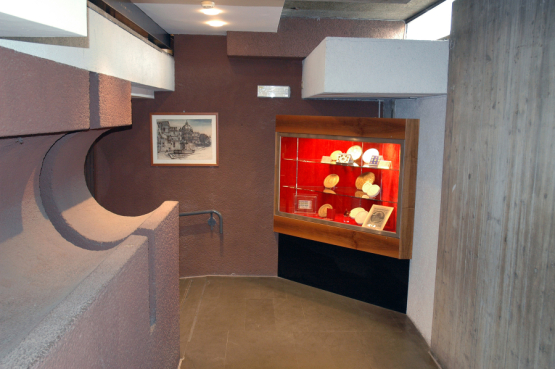 Photo 1 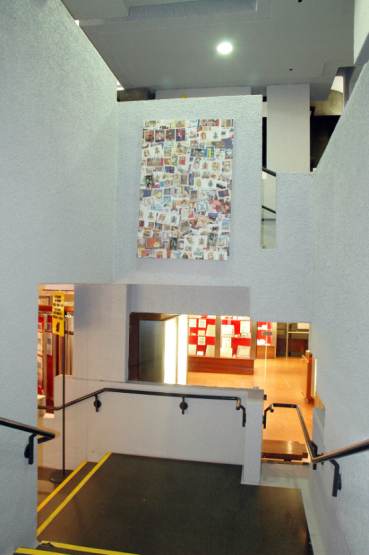 Photo 5 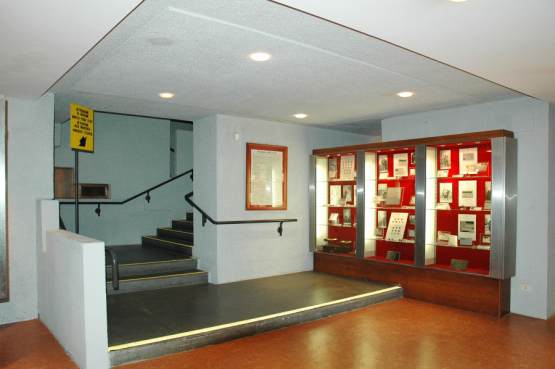 Photo 6 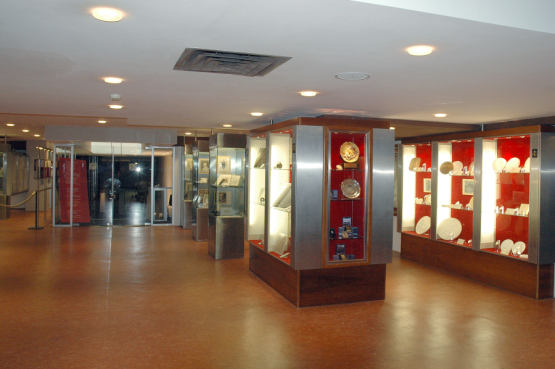 Photo 13 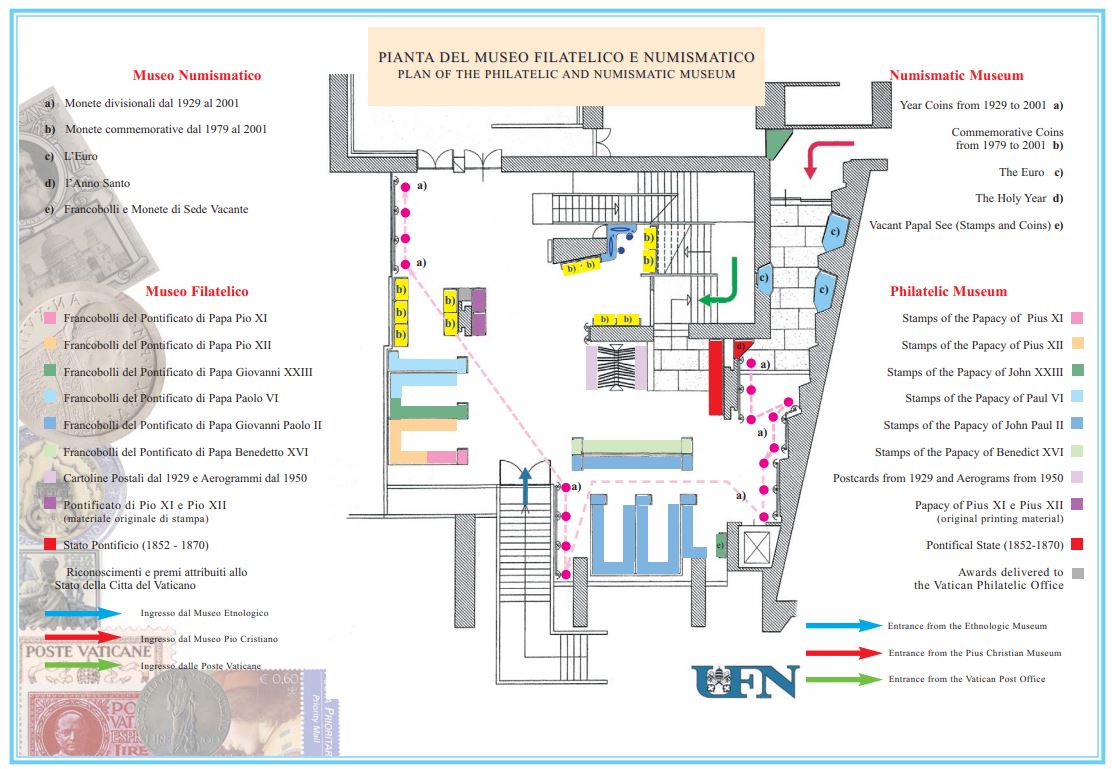 Downloaded map of the Vatican Philatelic and Numismatic Museum Photo 1 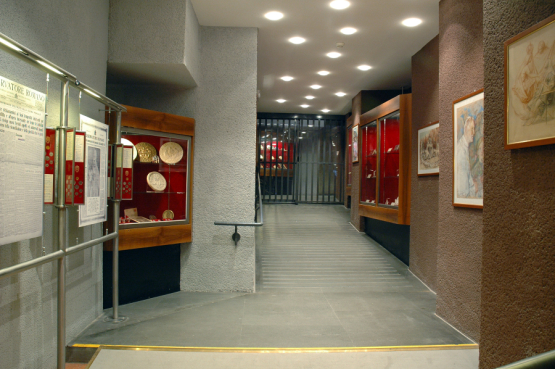 Photo 2 For a limited period of time, the first showcase on the left contains a selection of memorabilia and rarities of Pontifical postage stamps including the unissued sheet of 100 stamps of 1858 of 20 bajocchi (photo no 6). Photo 6 It can be assumed that this is the only real museum showcase because Francini is keen to specify, the museum's exhibition criteria are new. The result also or above all of a need for limited space that required a great job of sorting but above all of the synthesis. So not chronological listing but favoring the historical-documentary factor over the didactic aspect. Contextualize the issue to the historical period that generated the stamp, to the period of the pontificate of reference to get to the evolution of the different stamp printing techniques (photo no 16). 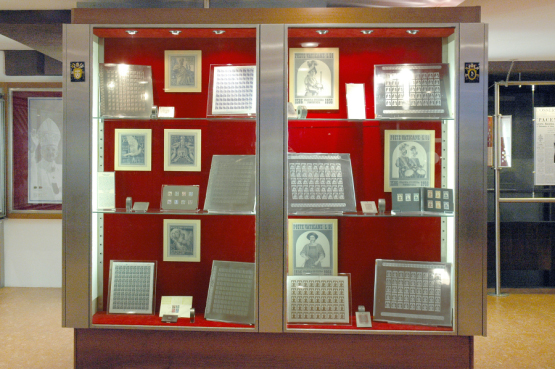 Photo 16 So right in front of the papal stamps we find panels with the Vatican postal stationery issued from 1929 to today (photo no 9 and no 19) and immediately after the issues of Benedict XVI contained in four panels (photo no 7) with on the left the case containing the special folder signed by the pope for his 80th birthday (photo no 8). 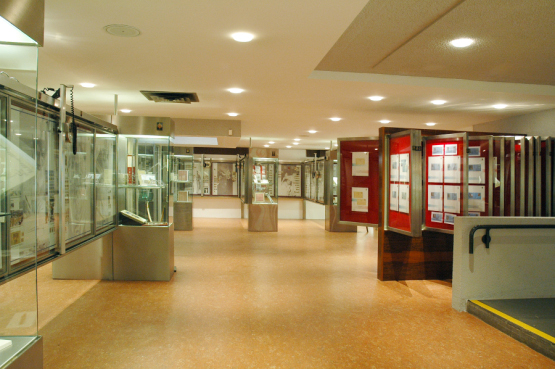 Photo 9 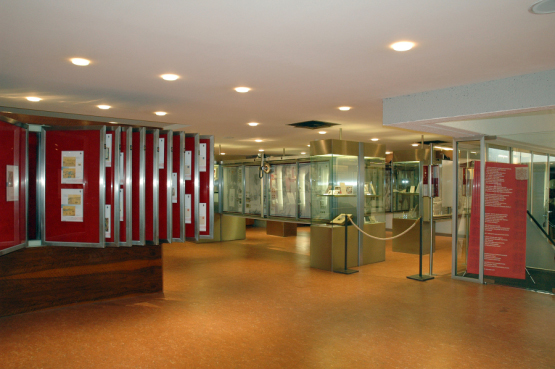 Photo 19 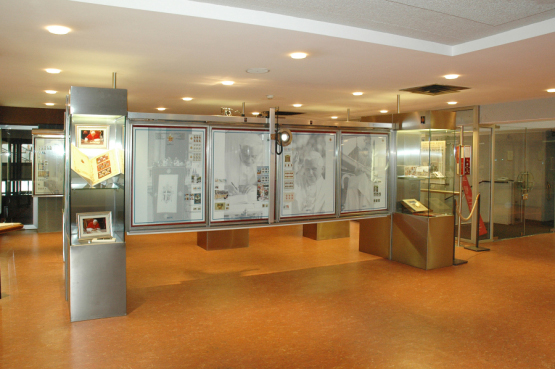 Photo 7 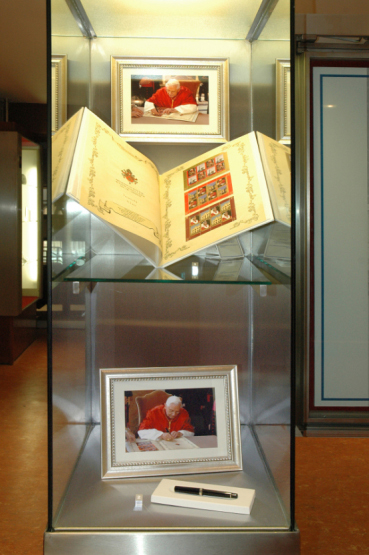 Photo 8 Behind these is the largest corpus: the issues of John Paul II contained in 27 panels, one for each year of his pontificate (photo no 3). 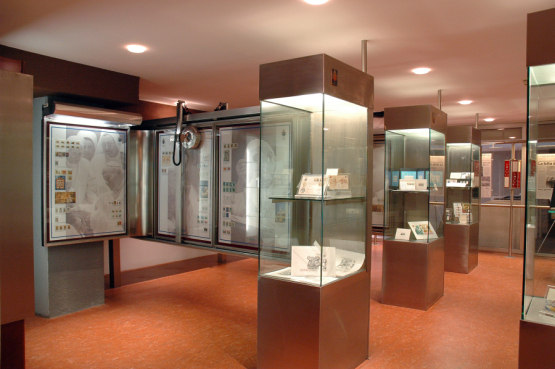 Photo 3 Continuing to the right we observe the divisional coins of the period from 1929 to 2001 and enlargements of the front pages of the Osservatore Romano with the news that shocked the world in past years (photos no 14 and no 15). 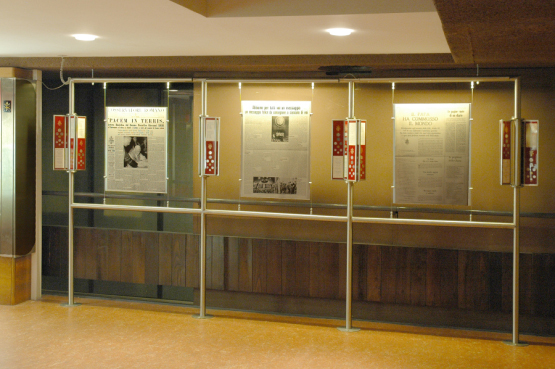 Photo 14 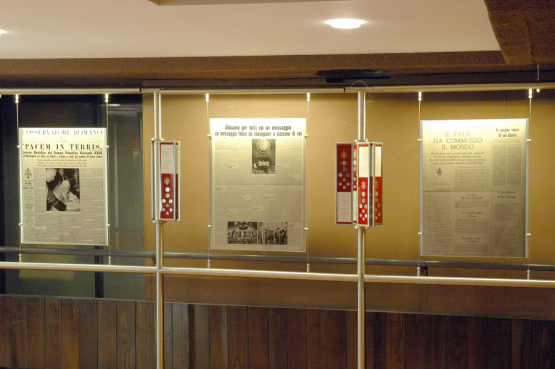 Photo 15 After the staircase that comes from the Ethnological Museum we find the stamps of the pontificate of Pius XI (three panels) with emphasis on the sheets of 100 stamps of the provisional series and the proof sheets of the overprint (photo no 10), then a selection of stamps in order of Pius XII (six panels), John XXIII (four panels) and Paul VI (only 8 panels) (photo no 11). 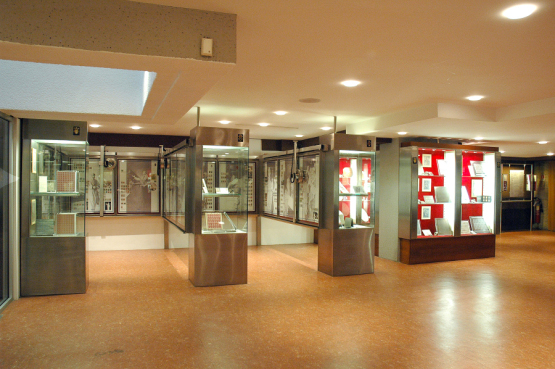 Photo 10 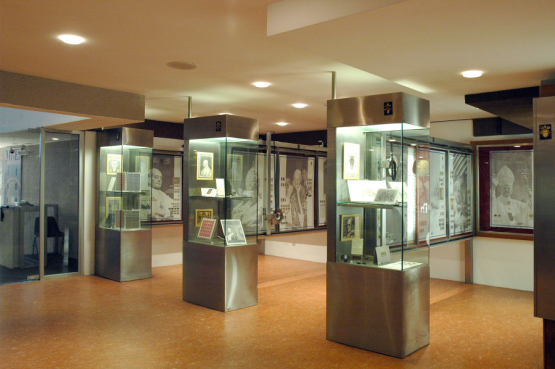 Photo 11 Enlargements of vintage photographs serve as a background for the stamps. All around are sketches, unpublished, and never exhibited postal objects. During the presentation, thanks were made to a private collector (the notary Fulcheris of Biella) who donated part of his collection with missing documents and cancellations even to the Postal Museum itself and the Vatican Archives. Anyone who thinks of the Vatican Philatelic Museum as a systematic collection of relics and rarities might be disappointed. Instead, it is a successful attempt to bring out the stamp as a sign of time and history, a faithful witness to the work of man and institutions, a delicate and precious document of events. |